

Organization sizes: 500 - 1,000 employees
SanoRice
How SanoRice used employee feedback to drive transformation and build alignment across Europe
 7.4
Alignment score increased from 6.5 to 7.4
7.0
Engagement score rose from 6.6 to 7.0
7.7
Role clarity improved from 7.5 to 7.7
Summary
After years of rapid growth, SanoRice was facing rising internal complexity and results began to level off. A new CPO and CEO stepped in, followed by a complete reorganization into a matrix structure, creating clarity and shifting the focus from local to global. In October 2023, SanoRice relaunched their collaboration with Effectory through a global employee engagement survey, creating a fresh starting point for change.
What began as a feedback exercise became the foundation for broader transformation. Survey results gave leaders the clarity to make confident decisions, align teams across borders, and build a more connected organization. One year later, the organization saw measurable gains in all areas —alignment, engagement, role clarity, and employer excellence—driven by their strong, ambitious spirit and the willingness to truly listen.
- 27+
- years in business
- 850+
- engaged employees
About SanoRice
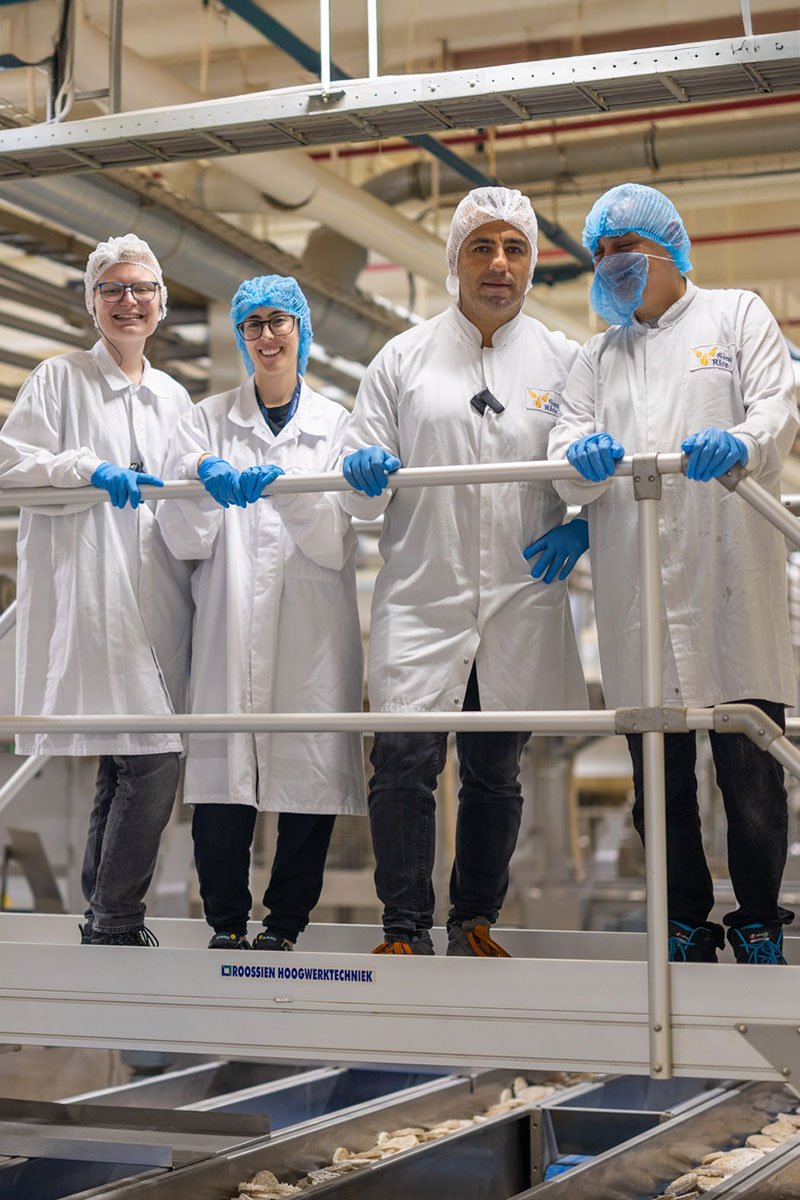
SanoRice is a Dutch family-owned business and the world’s largest private-label producer of popped cakes. Founded in 1998 in Veenendaal, it now operates factories in the Netherlands, Belgium, Italy, and Poland, supplying major retailers in over 40 countries. SanoRice makes only private-label products, including gluten-free, organic, and Rainforest Alliance-certified options using non-GMO ingredients like quinoa, lentils, and buckwheat. With over 850 employees, the organization is known for its continuous focus on developing new and surprising products that meet the highest quality and food safety standards.
Challenge
Navigating growth without losing direction
For over two decades, SanoRice expanded steadily: new lines, new plants, new countries. But by 2022, the growth that had once powered the organization was beginning to create internal pressure points.
Processes varied between sites. Collaboration across locations was limited. Departments operated locally, without a coordinated approach. There was no structured way to gather or act on employee feedback. Leadership had a strong sense of where improvements were needed, but lacked the data to back those instincts.
“At a certain point you reach a level of company growth where you need to look inward.” — Mandy de Water, Chief People Officer, SanoRice
In 2023, a new Chief People Officer (CPO) stepped in, and a new Chief Executive Officer (CEO) started. The Dutch and Belgian plants transitioned to an entirely new management team. These leadership changes marked the start of a broader transition: from building fast to building with more clarity, consistency, and long-term direction.
Rolling out annual employee engagement surveys
Solution

In October 2023, SanoRice launched a global employee engagement survey with Effectory. The survey ran in all four factories and was coordinated by the HR manager in Poland. Effectory’s platform and reporting tools made it easy for employees to respond in their local language:
“The reporting and all the information on the platform, in all the languages and with all its possibilities, really helped us give employees feedback about the results. And it also helped create an overview of where the differences are and where we stand out. I really like it.” — Mandy de Water, Chief People Officer, SanoRice
To further include employees in the transformation and support visibility for non-desk workers, the HR manager also coordinated printed booklets with the survey results, which were shared in canteens and break rooms.
SanoRice implemented a matrix structure to align leadership across plants. Operational roles remained local, while support functions like HR, finance, and quality were connected at group level to act as strategic partners to the factories.
Rather than treat the survey as a one-off, SanoRice used it as a foundation for change, with the results serving as a starting point to measure impact over time.
A ‘leadership circle’ of 50 key people was created to support the transformation. Each member was encouraged to focus on three key priorities for the year to improve execution and accountability.
Job roles were clarified with standardized descriptions. An organization-wide performance cycle was introduced to encourage two-way dialogue and connect individual goals to business strategy.
HR itself was redefined. Local teams became part of a coordinated HR function, with weekly alignment calls and clear ownership of strategic projects. A prime example: the organization’s performance cycle, led by the HR manager in Belgium.
SanoRice also formalized its core values, shaped directly by employee feedback gathered through the survey and follow-up workshops. These values helped bring legacy sites and newer teams into alignment around a shared direction.
In 2024, SanoRice launched a second employee engagement survey with Effectory across all locations to track progress and keep momentum going.
“We were really happy to use the same survey platform the second time because we could make comparisons in the exact same way, and it was easier to bring the data together and match it correctly.” — Mandy de Water, Chief People Officer, SanoRice
Impact
From gut feeling to data-backed decision-making
In just one year, SanoRice turned strategy into action, and action into results. While it’s difficult to see any growth in the figures—let alone in all of them within such a short time—the numbers speak for themselves:
- Engagement increased from 6.6 to 7.0
- Alignment rose from 6.5 to 7.4
- Role clarity improved from 7.5 to 7.7
- Employer excellence increased from 5.8 to 6.4
- Participation rose from 62% to 69% overall, with 100% participation in Poland.
The biggest shift, though, was cultural. Employees felt heard. What used to be silence became dialogue:
“In 2023, people said: ‘I said this four months ago and nobody listened.’ Now it’s: ‘I know they heard me.’ That’s a big shift.” — Mandy de Water, Chief People Officer, SanoRice
Surveys also helped uncover the small, sometimes invisible changes that made a difference. When enablement scores unexpectedly improved, the team traced it back to a seemingly minor fix: removing the remote-access portal had made it easier to work from home.
In the Netherlands, lower inclusion scores prompted a closer look and revealed that some internal documents were still only available in Dutch, creating unintended barriers for non-Dutch-speakers. Once identified, the issue was resolved by making materials more accessible.
Leadership used survey data to confirm instincts, question outdated habits, and support difficult but necessary decisions. Effectory’s platform, benchmarks, and tailored advice were instrumental throughout their journey:
“I really enjoy and love the platform because of all the information that’s in there. And the reporting and the possibilities really, really help.” — Mandy de Water, Chief People Officer, SanoRice
Looking ahead, SanoRice plans to run short pulse surveys throughout the year and add the PSA (Psychosocial Risk Assessment) to identify stress-related risks and focus attention where it’s needed most. Both tools will support more targeted follow-up and ongoing dialogue with employees.
Before Effectory
-
 HR teams worked in isolation, with little cross-site coordination
-
Leadership lacked up-to-date employee feedback to guide decisions
-
Projects often stalled, and priorities weren’t clearly defined

With Effectory
-
A global survey sparked structural changes and unified the HR function, putting people in the center
-
Employees felt heard and became more proactive
-
Clear priorities and follow-up improved engagement, alignment, and role clarity
Built, hosted, and governed in Europe. Trusted by 1,200+ organizations.


Protime
How Protime’s strong feedback culture earned them the World-class Workplace award

Higher eNPS & employee engagement scores

Recognition with the World-class Workplace award

Reduced employee turnover & sick leave rates
Summary
Discover how Protime, experts in workforce management software, teamed up with Effectory to refine their feedback approach, making it a better fit for their unique organizational structure. Protime’s strong feedback culture led to some remarkable results: highly engaged employees, fewer sick days, better staff retention, and the achievement of the World-class Workplace award. Protime’s inspiring story shows the real-world impact of strategic feedback in the workplace.
- 28+
- years in business
- ~550
- engaged employees
About Protime
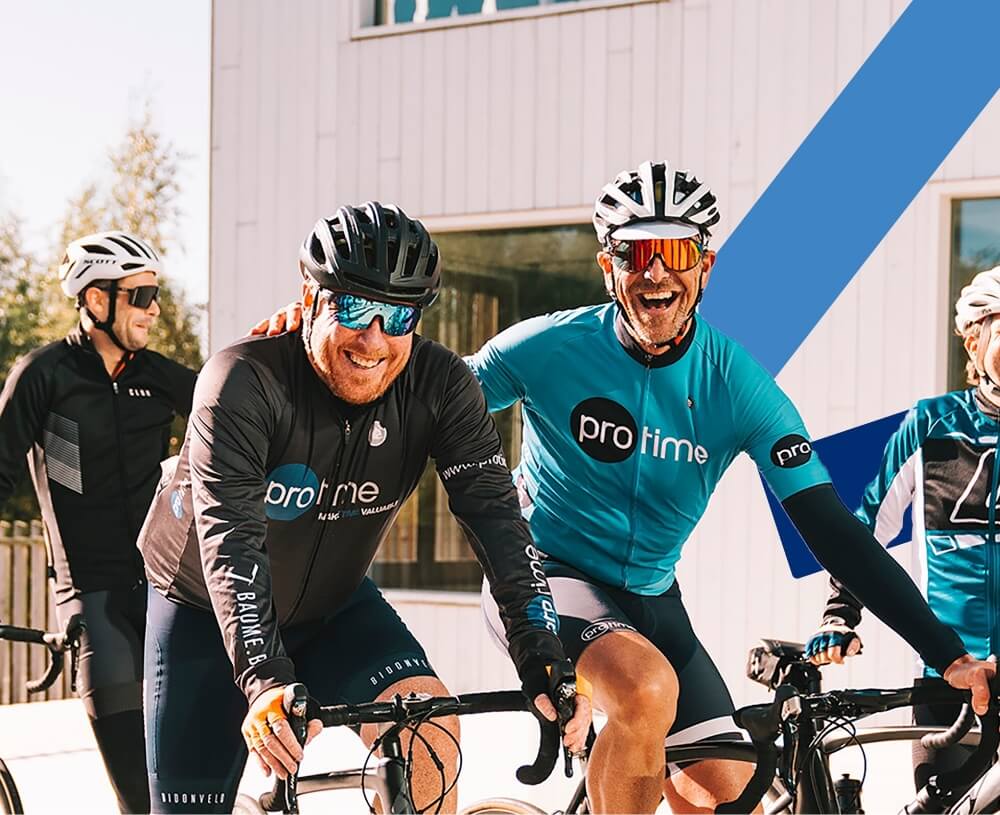
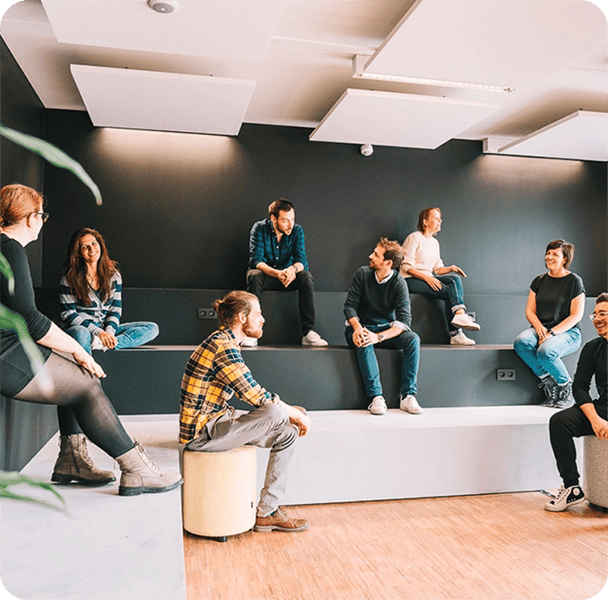
Protime is part of the SD Worx Group and specializes in efficient worktime management software, driven by the mission to “make time valuable.” Founded in 1995 and with a presence in seven European cities, they stand out for their team spirit, strong values, and open culture. They’ve replaced traditional management for teams the size of a football team that include an ambassador who promotes Protime’s unique company culture. With a strong focus on becoming the best employer, they’ve been recognized as an outstanding workplace for 10 consecutive years, and more recently, they’ve been honored with Effectory’s World-class Workplace award. At the heart of Protime’s success lies its dedication to employee wellbeing and engagement, regarded within the company as key indicators of their thriving workplace.
Challenge
Finding the right feedback strategy to fit a team-based organizational structure
Protime values employee wellbeing deeply, with feedback already embedded into their organizational DNA. Their challenge was not just collecting feedback, but making it more personal and impactful. They needed to move beyond standard surveys to something that truly resonated with their team structure.
This is where Effectory came in. We provided a fresh perspective on integrating feedback into Protime’s distinctive culture. Our focus was on ensuring that every individual, in a company without traditional managers and with small teams, felt heard and valued.
Protime sought a feedback system that reflected their core values of camaraderie, customer focus, growth, and collaboration. They needed a solution that offered insightful analytics and flexibility, tailored to a team-centric approach rather than a generic one.
Tailored feedback strategy and culture check-ins with Effectory
Solution
Company-wide Employee Engagement Survey
With Effectory’s help, Protime launched a custom-made Employee Engagement Survey consisting of thoughtfully selected questions. They set an ambitious target of a 100% response rate, offering a day off for employees as a thank you if this goal was met. This reflects Protime’s commitment to creating an environment where everyone actively participates in feedback initiatives.

Tailor-made Team Development Scans
Our Team Development Scans enabled Protime to carry out feedback assessments that were focused on each team’s performance, dynamics, and workload. These scans gave every team the freedom to zoom in on what mattered most to them. With Effectory’s intuitive dashboard, teams had access to practical tips and exercises they could adopt at their own pace.
Effectory’s World-class Workplace award
Protime, committed to upholding its reputation as an excellent employer, incorporated 14 questions across four key themes – eNPS, Employer Excellence, Enablement, and Engagement – into their Employee Engagement Survey. Their goal was to win the World-class Workplace award, a special recognition given based 100% on employee feedback. By comparing scores against our benchmarks, Protime not only met but surpassed the standards, proudly earning the World-class Workplace award.
Impact
Higher eNPS, lower employee turnover & sick leave, and winning the World-class Workplace award
Protime’s strong feedback culture has led to significant results: an increase in Employee Net Promoter Score (eNPS), reduced employee turnover, and sick leave that is now at half the rate typically observed in other companies of similar size within the same industry. Achieving the World-class Workplace award is another significant milestone, highlighting Protime’s commitment to excellence.
A key factor in these accomplishments was Protime’s success in fostering a culture that encourages active participation. During their team-building activities before the company-wide Employee Engagement Survey, they created a buzz of excitement led by the vision of being a “once-in-a-lifetime employer.”
This enthusiastic approach to feedback reached all the way to the boardroom and exceeded expectations. Not only did they achieve a 100% response rate, but were positively surprised by the constructive feedback and the high volume of open comments received from the employees.
Other insights from the survey regarding compensation and dynamics with Gen Z employees provided valuable perspectives for organizational development.
Reflecting on the partnership, Protime noted that the decision to work with Effectory was greatly influenced by our survey questions and the functionalities of the My Effectory platform – its intuitive dashboards provided Protime with an in-depth analysis of the survey results, a feature they found particularly useful.
Protime aimed to establish a comprehensive listening landscape, and they identified Effectory as the ideal partner to achieve this vision. Through this partnership, they moved beyond generic solutions to adopt a more tailored approach with Effectory’s products and expertise, opening up new avenues for using employee feedback for continuous improvement. Protime’s inspiring success story illustrates the value of strategic feedback in driving organizational success.
Before Effectory
-
Generic and repetitive feedback processes
-
Limited insights into team-specific dynamics
-
Challenges in tailoring surveys for each team’s needs
After Effectory
-
Higher eNPS
-
Tailored feedback for team-specific needs
-
Increased commitment & excitement for giving feedback
Built, hosted, and governed in Europe. Trusted by 1,200+ organizations.
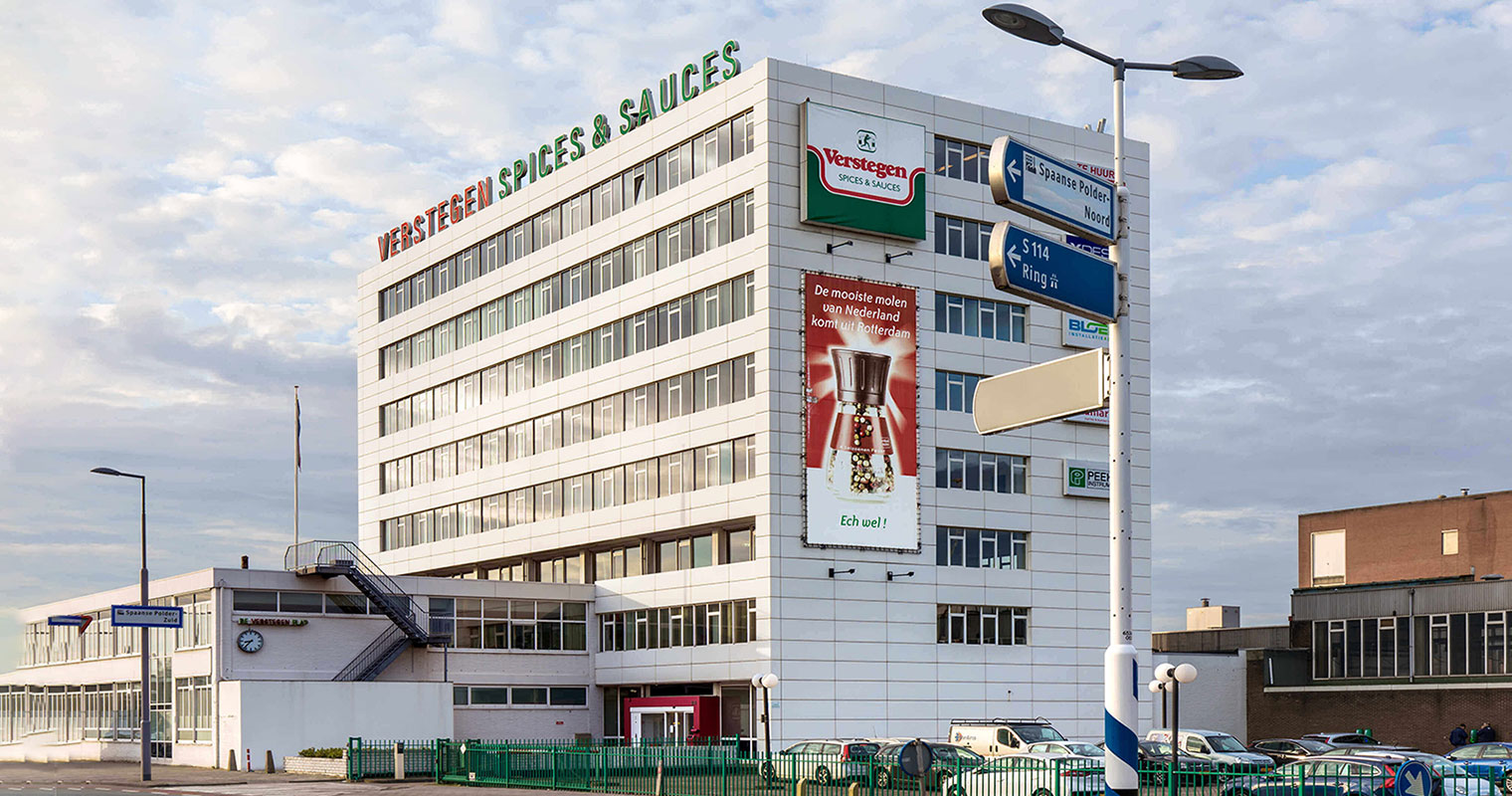
Verstegen Spices & Sauces has a long-standing presence in the spice industry, dating back to 1886. With a team of 600, the company has embarked on a significant transformation in the last five years. The aim is to move from a top-down organizational structure to one that encourages greater employee participation. A pivotal part of this change has been an employee survey, carried out in collaboration with Effectory. In an interview with Hilde Beckers, International HR Manager, and Fenna van Beurden, Strategic Impact Manager, we explore how Verstegen is navigating this organizational shift.
Verstegen Spices & Sauces, a company with a rich history spanning over a century, is in the midst of a transformative journey. The company is aiming for a more inclusive organizational structure. To make this shift successful, gathering feedback from employees at all levels is key. As Hilde Beckers puts it: “We wanted everyone’s voice to be heard.”
To move effectively towards this goal, Verstegen utilized an employee survey. This case study explores how the company is applying insights from the survey to create a more open work culture.
Setting the baseline
“We didn’t want to conduct an employee survey just for show, or because it’s popular, but to receive real feedback.“
Verstegen started this initiative with a baseline measurement. Valuing each survey response was crucial, as they used these insights as a starting point for change. As Beckers notes, “We didn’t want to conduct an employee survey just for show, or because it’s popular, but to receive real feedback.”
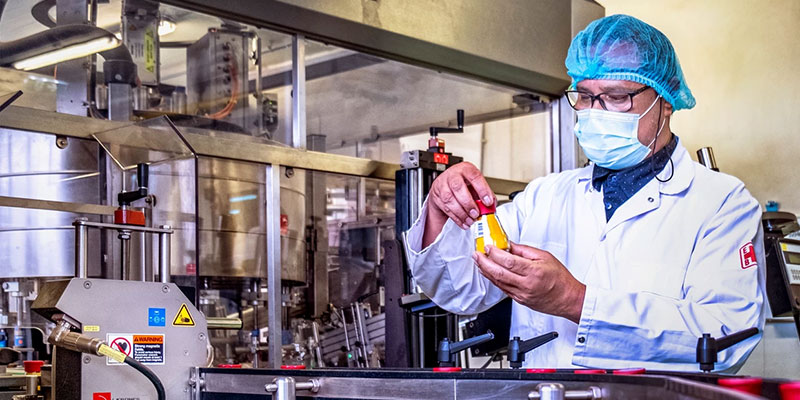
This initiative had an energizing effect on the company, marked by a high 80% participation rate among its diverse workforce, which includes digital natives, those with varying levels of literacy, and non-native Dutch speakers. To ensure inclusivity, the survey was available on both mobile and desktop platforms. This allowed for flexibility, even accommodating those coming off night shifts or those who needed additional assistance to complete the questionnaire during work hours.
The transition
Five years ago, Verstegen began implementing changes aimed at highlighting the unique skills and interests of their employees. A critical part of this change was using employee feedback in their strategic planning. The company set out with a key goal: achieving high employee satisfaction. To measure how well they were doing, they used employee surveys. Their aspirational target was for each department to achieve an average satisfaction score of 8 or higher.
To guide this change, Verstegen relies on a few key frameworks. One significant initiative is “Forward to Origin,” which speaks to the roots of their products, as well as to their Rotterdam identity. The production department is quite diverse, and there’s even a special department for people with a labor market disadvantage.
Whether you’re in the office, sales, or production, mutual respect is deemed crucial for effective collaboration. Verstegen aims to establish sustainable relationships with both their employees and their products. At the heart of this is their “TaPas” model, focusing on Talent and Passion. The model serves to align employees not just with roles but also with opportunities that tap into their innate skills.
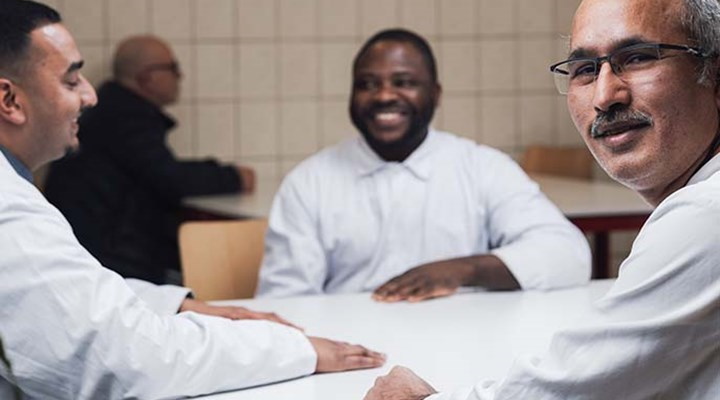
Employee well-being is also a top concern for Verstegen, particularly because their workforce is not confined to just an office setting but extends to production areas as well. The aim is to create a work environment that’s conducive to long-term health, ensuring that everyone can retire in good condition.
The Verstegen Academy
Building on an existing culture of learning, Verstegen now holds monthly webinars on topics such as food and sustainability. They’ve also introduced an e-learning platform where employees can share knowledge with one another. This space allows subject matter experts to gain insights into how their colleagues perceive their work. Moreover, the platform features a variety of courses and webinars, serving as a resource for ongoing professional development.

Connecting with employees
We have begun to increase the resilience of employees and teach them that they can hold managers accountable.
True to its Rotterdam roots, Verstegen has historically been more about action than meetings. But to better connect with its employees, some level of formal consultation was deemed necessary. This shift has led to the development of new skills among the workforce: “We have begun to increase the resilience of employees and teach them that they can hold managers accountable.” Now, the company is encouraging a greater level of self-management, giving employees the freedom to prioritize their tasks.
Additionally, leadership opened the floor for employees to express what’s most important to them in their jobs. This was a significant step, breaking away from traditional expectations and showing vulnerability on the part of the leadership. The level of open discussion that followed surpassed even their expectations. Beckers notes, ” By asking the questions with an open mind and out of curiosity, we were able to have very honest conversations.”
The results of the employee survey
The survey showed promising results, with no departments scoring below 6. To turn these results into action, Verstegen organized webinars and team meetings aimed at understanding the data and defining clear next steps. Since open conversations were a new practice at the company, it was essential to keep these discussions safe and anonymous. Hour-long webinars provided a welcoming environment where employees could voice their questions and opinions, making the whole topic less daunting.
Continuous monitoring and action-oriented conversations
After the first round of surveys and discussions, Verstegen continues to be dedicated to regular follow-ups through more surveys. The goal is to use the knowledge gained from these conversations to help guide the company’s direction. This ongoing effort has the entire organization intrigued about its potential impact on the workforce and the organization.
Verstegen is increasingly focusing on creating a culture based on commitment, and Beckers is hopeful that openness will soon be a standard part of the company culture. In her closing remarks, she stresses the importance of a fulfilled workforce for the success of any organization:
“Ultimately, companies are about the people who work there. If you harness people’s talents and passion and your energy system works, you can become very happy together. I hope that people find their own fulfillment and pride in their work and create the feeling that by working together we achieve our goal – both company goals and personal goals: ‘If Verstegen is good for me, then I am good for Verstegen.’“