

Territories: The Netherlands
Wij zijn JONG
How a continuous listening strategy improves retention at Wij zijn JONG

 +10
eNPS improved by +10 points
 8%
Workload decreased by 8%
81%
Employee retention increased to 81%
Summary
Wij zijn JONG is a leading organization in childcare. In a sector where attracting and keeping talent is a constant challenge, the organization deliberately focuses on the full employee experience. Children shape the future, and strong, engaged teams are key to giving them the best possible start.
For years, Wij zijn JONG used scattered surveys. Since 2019, the organization has been working with Effectory to listen to employees in a more structured way. In this article, Anne van Kempen, Director of People & Organizational Development, and Ronald Brekelmans, Organizational Development Advisor, share how this approach has improved retention, strengthened manager ownership, increased engagement and helped build an organization that can stand firm in such a demanding sector.
- 220
- locations
- 3,300
- employees
About Wij zijn JONG
Wij zijn JONG operates in the southern and central regions of the Netherlands and specializes in childcare and pedagogical support. With more than 3,300 employees across more than 220 locations in 22 municipalities, they reach over 20,000 children and more than 50,000 caregivers every day. The organization consists of several brands that together offer a broad range of services, from childcare and early education to after-school programs and specialist advice. At Wij zijn JONG, both children and employees are central. The organization invests in a workplace where their people feel seen and heard, and where development is actively supported through internships, work-and-learn programs and internal training and development opportunities. Employees focus on supporting children, while Wij zijn JONG focuses on supporting their employees.
Key achievements

eNPS improved by +10 points

Workload decreased by 8%
Employee retention increased to 81%

Challenge
Retaining talent, optimizing the employee journey and turning feedback into action
The childcare sector faces structural challenges. Employee turnover continues to rise, absenteeism is increasing and competition for talent is high. Attracting new employees is costly and difficult, which makes retaining current talent even more important.
This is also the case at Wij zijn JONG. That’s why the organization wants a clear view of the entire employee journey and therefore seeks feedback from the very first working day. The purpose of collecting feedback is simple: understand what is needed to create an environment where work satisfaction is high and employees are engaged.
With these insights, Wij zijn JONG aims to:
- Increase retention by understanding what makes employees stay with the organization,
- Support the development of each professional through training and internal mobility,
- Strengthen managers in their role so they can better support their teams,
- Improve the relationship between employees and managers to build trust and collaboration,
- Support employee participation so people feel heard and seen.
They also want to make sure feedback isn’t only collected but quickly turned into concrete next steps.
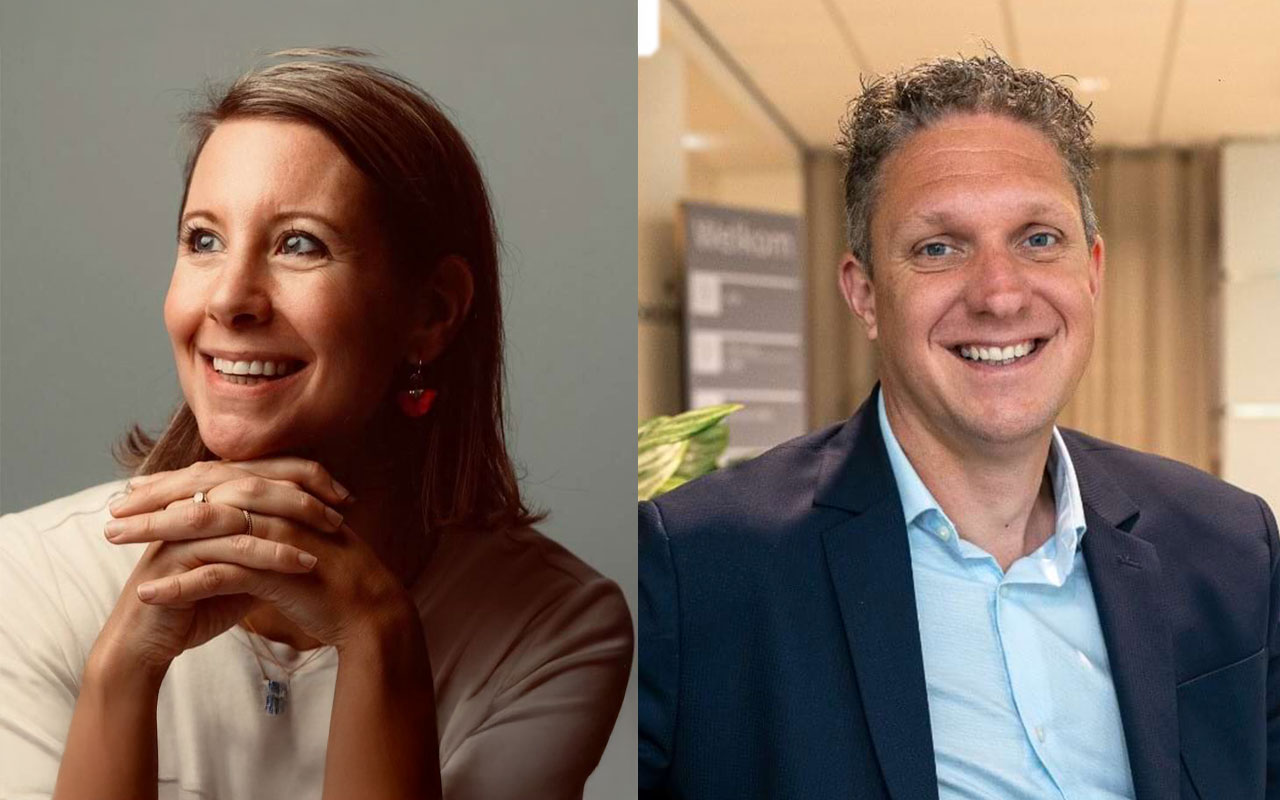
“At Wij zijn JONG, we don’t only want to know how things are going, but what our colleagues need to enjoy their work and stay engaged. Our ambition is to listen continuously – not only during fixed measurements, but also in between, in conversations and through short feedback loops. We strive for an organization where employees feel heard, where there’s room for growth and development, and where we continue to build a great work culture together. We don’t see employee satisfaction as an end point, but as an ongoing process of learning, improving and connecting.“
Solution
From insight to impact: surveys that strengthen every stage of the employee journey
For Wij zijn JONG, one thing was crystal clear: retaining people and increasing engagement requires structural attention to the full employee journey. And that means listening continuously throughout the year rather than only at set times.
We see that actively asking for feedback creates greater awareness about retention. Managers and teams talk with each other more often, and that supports a culture where colleagues feel seen and heard.
Since 2024, Wij zijn JONG follows the strategy “Blij(vend) in gesprek” — a continuous listening approach that gives employees a voice throughout their career. This strategy is translated into a clear feedback landscape, where different surveys follow each other logically. Periodic surveys are spread across the year and focus each quarter on a specific theme such as job satisfaction, collaboration & development or organizational culture & strategy. Between these moments, teams hold interventions and meetings to discuss results, define actions and strengthen leadership.
Solution

Pulse surveys
To support the periodic measurements, teams and managers run targeted pulse surveys to quickly gather feedback on specific topics such as workload. Each survey includes an eNPS question, giving Wij zijn JONG a continuous view of employee satisfaction and helping them respond quickly when needed. This creates an ongoing dialogue where feedback leads to changes instead of getting stuck in a report.

Leadership Role Compass
Effectory’s Leadership Role Compass gives managers and leaders at Wij zijn JONG valuable insights into their strengths and development areas. Developed with Dr. Armin Trost and based on modern leadership research, the Leadership Role Compass offers reliable, in-depth feedback that supports managerial growth. This results in stronger leadership, higher engagement and a positive effect on retention and performance.

Onboarding and Exit Surveys
Wij zijn JONG aims to give new colleagues a strong start and prevent avoidable turnover. Through Effectory’s Onboarding and Exit Surveys, they get insights that improve the processes around joining and leaving the organization. This helps them expand successful onboarding practices and address recurring exit reasons.
“During onboarding, we see that a warm welcome and clear expectations make a real difference. New colleagues feel at home faster and know what is expected. It creates a good start and helps increase engagement.
Exit Surveys show recurring themes like the working environment, work processes, work-life balance and growth opportunities. These findings help us understand what our colleagues need and take targeted action. What stands out: 78% of colleagues who leave say their departure could have been prevented. That’s an important signal and also an opportunity to approach things differently.”
From feedback to action
Insight alone isn’t enough. Following up on feedback is just as important. With Effectory’s Action Planner, managers have a practical tool that helps them turn feedback into clear steps. It keeps them focused, helps them set priorities and shows employees that their feedback is taken seriously. This strengthens trust and deepens people’s connection to the organization.
We want to offer different options that match each team and manager. What works varies per situation, but everything links back to our five strategic goals. One of those goals is increasing engagement across the organization. That means employee interests are represented at the leadership table and always weigh heavily in our decisions.
Impact
eNPS +10 points, lower workload and higher retention
Effectory’s platform gives Wij zijn JONG continuous visibility into the employee experience. Key topics are explored in more detail, managers get targeted recommendations, and employees see that their feedback is followed up. This leads to more dialogue and measurable progress. The results speak for themselves:
- Workload: In 2023, 42% said workload was too high; by 2025 this dropped to 34%. Meanwhile, the share of employees who rate workload as good rose from 49% to 61%.
- Development opportunities: Scores improved by 0.3 points from 2024 to 2025.
- Intention to stay: In 2025, 81% say they want to stay at Wij zijn JONG.
- Team leadership: Scores increased by 0.2 points from 2024 to 2025.
- Engagement: Up by 0.2 points from 2024 to 2025.
- eNPS: Improved by +10 points in 2025.
The early numbers are promising: 81% of colleagues stay, 10% move to another role within Wij zijn JONG and 11% leave. This shows progress, though we remain alert to what can still be improved. It’s too soon for firm conclusions, but the shift is underway – and that is very valuable.
Collaboration with Effectory
The partnership between Wij zijn JONG and Effectory is marked by a great openness to new developments. By contributing ideas and testing new features — including the updated question library, AI-based insights and the Effy chatbot — Wij zijn JONG helps develop the Effectory platform while benefiting from the newest features themselves.
“We experience the collaboration with Effectory as pleasant and helpful. The platform is easy to use and the support is well arranged — we can move quickly and receive clear results. What stands out most is that it helps us truly listen to colleagues. The surveys give us numbers as well as stories and signals we can work with. It supports a culture where feedback is taken seriously and where we keep learning and improving.
For our organization and our colleagues, this means more clarity, more dialogue and ultimately more involvement. It supports decisions that fit what’s happening on the work floor.”
Looking ahead
For Wij zijn JONG, continuous listening is key to shaping future-proof employment practices. It’s not only about collecting feedback but actively using it to improve the employee experience throughout the year.
We want to remind other organizations to stay curious. Listening is not only an HR tool, but a mindset. Make sure feedback doesn’t get ignored but leads to concrete action. Involve teams and managers directly in this process, because that’s where progress happens. In short: measuring is helpful, but acting on it is what makes the difference.”
Before Effectory
-
 eNPS needed improvement
-
High workload
-
Retention was a challenge

With Effectory
-
Higher eNPS
-
Lower workload
-
Higher employee retention
Built, hosted, and governed in Europe. Trusted by 1,200+ organizations.




Continuous listening at Jumbo: How employee feedback fuels great customer experiences
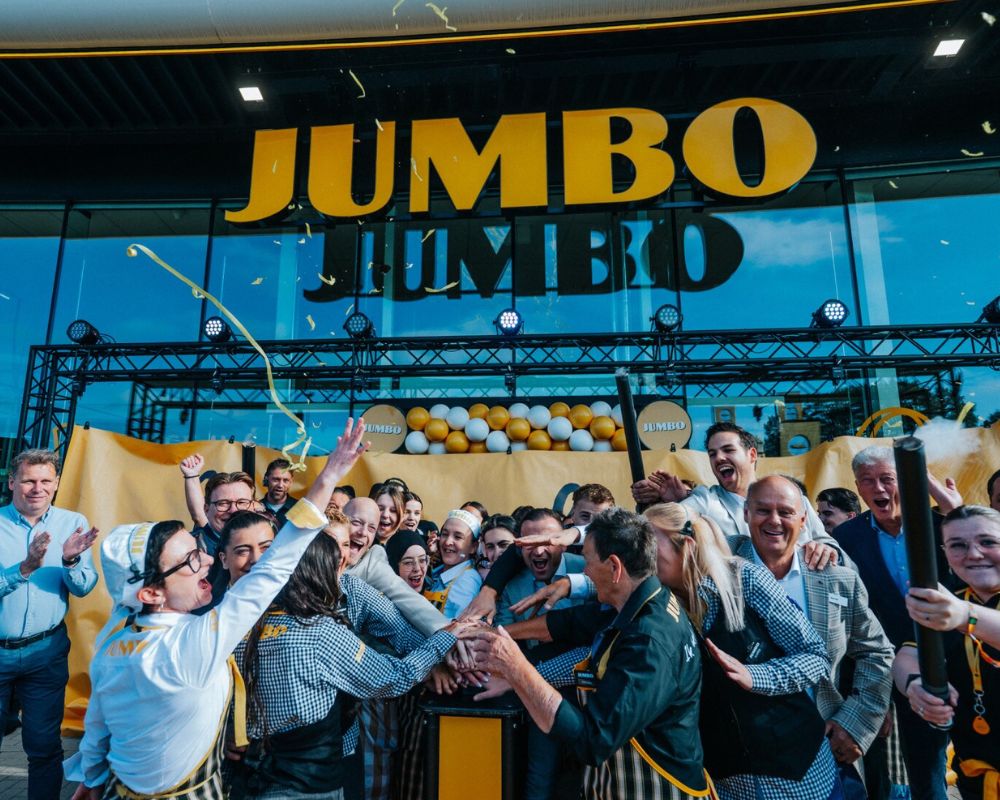


Structured approach to collecting feedback at scale

Clear overview of employee sentiment across the organization

Direct link between engagement, customer satisfaction & turnover
Summary
Discover how Jumbo uses Effectory’s products and platform to stay closely connected with its employees across stores, logistics, and offices. By turning employee feedback into meaningful action, Jumbo has strengthened leadership, communication, development, collaboration, and workplace culture. Insights from Effectory’s platform help Jumbo leaders understand what matters most to employees and act on it to improve how teams work and grow.
- 104
- years in business
- 100,000
- engaged employees
About Jumbo
Founded in 1921 as a family-owned wholesaler, Jumbo has grown into one of the largest supermarket chains in the Netherlands and Belgium. In 2021, the organization celebrated its 100th anniversary and was granted the honorary title “Koninklijke Jumbo Food Groep” (Royal Jumbo Food Group). Today, the group operates around 700 stores, half of which are franchises, and employs around 100,000 employees across its stores, logistics centers, e-fulfillment hubs, and offices. While most employees work in stores, Jumbo also has large supply chain and office teams supporting operations. The organization’s ambition is clear: to be the most beloved supermarket in the Netherlands and Belgium. And to achieve that, Jumbo believes the starting point is its employees.

Challenge
Listening at scale and turning feedback into visible action
As Jumbo continued to grow rapidly across the Netherlands and Belgium, staying connected with its employees became increasingly challenging. With tens of thousands of employees across stores, logistics centers and offices, and a mix of young store workers, supply chain staff, and head office teams, the organization needed a consistent way to understand how employees experience their work.
In a highly competitive retail market, engagement plays a major role in keeping teams motivated and customers satisfied. Jumbo’s own analysis confirmed a direct link between employee engagement and customer satisfaction:
“We’ve proven there’s a direct correlation between employee satisfaction and customer satisfaction,” said Hedwig Klarenbeek, Compensation & Benefits Manager. “When we put our employees first, we put our customers first.”
Back in 2021-2023, Jumbo already conducted surveys to gather feedback from its employees. While these provided valuable insights, the process was complex and not always easy to translate into clear actions at team level. The HR team wanted to make feedback moments more focused, structured, and meaningful, balancing regular listening with enough time to act on the results.
At the same time, Jumbo recognized that numbers alone wouldn’t create change. Real improvement depended on combining survey results with open team discussions.
“We ask everyone to speak up by completing a survey in order to be able to improve every day,” said Klarenbeek. “But it’s not just a survey. It’s always in combination with having the direct conversation with your employees.”
This focus on meaningful listening set the stage for Jumbo’s collaboration with Effectory, creating a structured way to collect, share, and act on feedback across every part of the organization.
Using Effectory surveys to connect data, dialogue, and action
Solution

Employee Engagement Surveys
In 2025, Jumbo implemented Employee Engagement Surveys at scale, covering recurring themes like collaboration, leadership, communication, and development opportunities — topics that remain consistent each year to track progress over time.
“We try to limit changes in the questionnaire as much as possible in order to track changes over time,” said Hedwig Klarenbeek, Compensation & Benefits Manager.
Alongside the Engagement Survey, they also measure eNPS, asking employees whether they would recommend Jumbo as an employer.
The partnership with Effectory focused on three key areas:
Central insights for HR and leadership
The survey results provide a clear overview of employee sentiment across the organization, allowing the HR team and leadership to identify patterns and address organization-wide themes.
Practical tools for managers
To help managers turn results into action, Jumbo uses Effectory’s dashboards, management summaries, and presentations alongside its own toolkit named “Samen aan de slag” (“Let’s get to work”). These help teams choose key focus areas, set improvement goals, and plan concrete next steps together.
“The dashboard is really appreciated by our employees,” added HR Analyst Rowy Derks. “It’s the go-to place to start the follow-up.”
Embedding feedback in Jumbo’s culture
Jumbo has built a strong communication process around its surveys. Each survey is introduced with video messages from HR leadership and clear instructions for managers, supported by internal campaigns with screensavers, WhatsApp messages, and SMS reminders to encourage participation. According to Rowy Derks, the SMS reminders alone have led to a significant increase in the response rate:
“Around 83% of our workforce is employed in our stores, many of them young part-time employees with different communication preferences. That’s why we chose to send SMS reminders. The SMS reminders alone increased employee response rates by 10%.”
Jumbo also ensures that all communication and reports reflect its own brand, from the visuals to the language used, so that employees feel connected to the process.
“We find it important to have a Jumbo look and feel, Jumbo wording,” said Klarenbeek. “It helps create the feeling we want to stand for.”
Through this partnership with Effectory, Jumbo has created a survey process that fits seamlessly into its culture, combining data with dialogue to keep employees engaged and heard.
Impact
Creating real connection between employees and customers
With Effectory, Jumbo has built a structured approach to listening, one that makes every feedback moment meaningful and actionable. The survey results give the organization a clear overview of what employees think and feel, helping leaders act on key topics (collaboration, leadership, development, and communication).
The surveys are central to keeping employees engaged and, in turn, delivering the great customer experience Jumbo is known for.
The surveys also help identify patterns that shape business results. Jumbo’s analysis shows a link between higher engagement, stronger customer satisfaction, and lower turnover, reinforcing the value of listening across all levels of the organization.
By addressing central topics and supporting managers with practical tools and data, Jumbo has created a culture where feedback directly informs action. The Samen aan de slag toolkit and Effectory dashboards help managers and teams translate survey results into concrete improvements that employees can see and feel.
Looking ahead, Jumbo sees HR analytics evolving even further:
“AI will help managers deal with situations they face on the floor,” said Klarenbeek. “Imagine asking an AI agent about illness trends in your team and getting advice on what to do next. Engagement Surveys are part of that integrated data approach.”
While keeping an eye on future developments, Jumbo remains focused on listening in a way that keeps employees engaged and heard, using surveys not as one-off exercises, but as meaningful moments of dialogue across the organization.
Before Effectory
-
Employee sentiment across different business units wasn’t fully visible.
-
A consistent, organization-wide approach to collecting and comparing feedback wasn't yet in place.
-
Challenges translating feedback into concrete team actions.
With Effectory
-
Centralized view of employee sentiment across all business units and moving towards full inclusion of franchise.
-
Clear insights into key topics like leadership, collaboration, communication, and development.
-
Proven correlation between engagement, customer satisfaction, and turnover.
Built, hosted, and governed in Europe. Trusted by 1,200+ organizations.
SanoRice
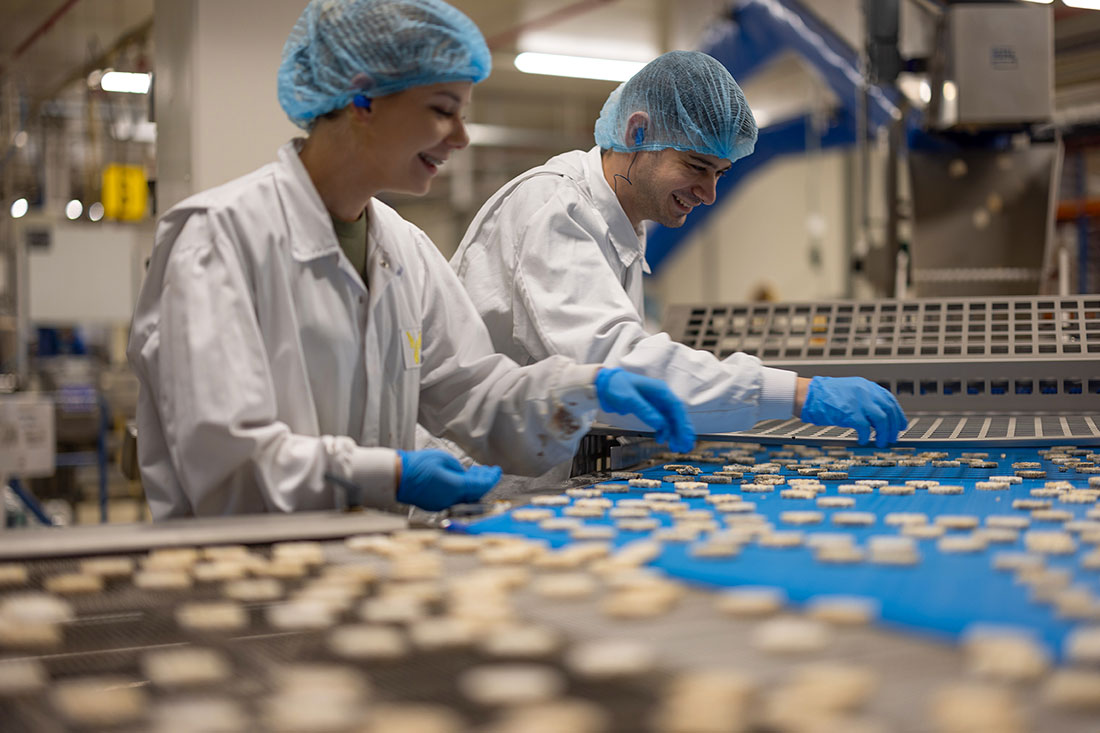
How SanoRice used employee feedback to drive transformation and build alignment across Europe
7.4
Alignment score increased from 6.5 to 7.4
7.0
Engagement score rose from 6.6 to 7.0
7.7
Role clarity improved from 7.5 to 7.7
Summary
After years of rapid growth, SanoRice was facing rising internal complexity and results began to level off. A new CPO and CEO stepped in, followed by a complete reorganization into a matrix structure, creating clarity and shifting the focus from local to global. In October 2023, SanoRice relaunched their collaboration with Effectory through a global employee engagement survey, creating a fresh starting point for change.
What began as a feedback exercise became the foundation for broader transformation. Survey results gave leaders the clarity to make confident decisions, align teams across borders, and build a more connected organization. One year later, the organization saw measurable gains in all areas —alignment, engagement, role clarity, and employer excellence—driven by their strong, ambitious spirit and the willingness to truly listen.
- 27+
- years in business
- 850+
- engaged employees
About SanoRice
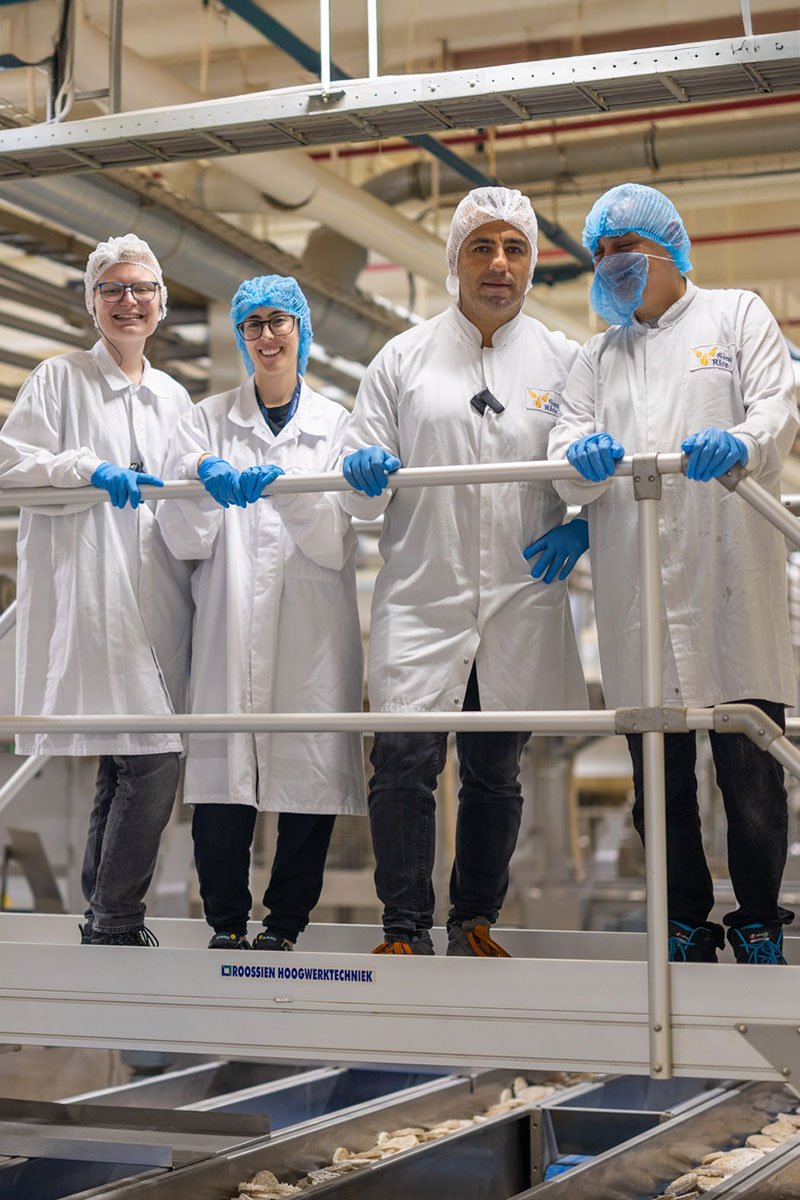
SanoRice is a Dutch family-owned business and the world’s largest private-label producer of popped cakes. Founded in 1998 in Veenendaal, it now operates factories in the Netherlands, Belgium, Italy, and Poland, supplying major retailers in over 40 countries. SanoRice makes only private-label products, including gluten-free, organic, and Rainforest Alliance-certified options using non-GMO ingredients like quinoa, lentils, and buckwheat. With over 850 employees, the organization is known for its continuous focus on developing new and surprising products that meet the highest quality and food safety standards.
Challenge
Navigating growth without losing direction
For over two decades, SanoRice expanded steadily: new lines, new plants, new countries. But by 2022, the growth that had once powered the organization was beginning to create internal pressure points.
Processes varied between sites. Collaboration across locations was limited. Departments operated locally, without a coordinated approach. There was no structured way to gather or act on employee feedback. Leadership had a strong sense of where improvements were needed, but lacked the data to back those instincts.
“At a certain point you reach a level of company growth where you need to look inward.” — Mandy de Water, Chief People Officer, SanoRice
In 2023, a new Chief People Officer (CPO) stepped in, and a new Chief Executive Officer (CEO) started. The Dutch and Belgian plants transitioned to an entirely new management team. These leadership changes marked the start of a broader transition: from building fast to building with more clarity, consistency, and long-term direction.
Rolling out annual employee engagement surveys
Solution
In October 2023, SanoRice launched a global employee engagement survey with Effectory. The survey ran in all four factories and was coordinated by the HR manager in Poland. Effectory’s platform and reporting tools made it easy for employees to respond in their local language:
“The reporting and all the information on the platform, in all the languages and with all its possibilities, really helped us give employees feedback about the results. And it also helped create an overview of where the differences are and where we stand out. I really like it.” — Mandy de Water, Chief People Officer, SanoRice
To further include employees in the transformation and support visibility for non-desk workers, the HR manager also coordinated printed booklets with the survey results, which were shared in canteens and break rooms.
SanoRice implemented a matrix structure to align leadership across plants. Operational roles remained local, while support functions like HR, finance, and quality were connected at group level to act as strategic partners to the factories.
Rather than treat the survey as a one-off, SanoRice used it as a foundation for change, with the results serving as a starting point to measure impact over time.
A ‘leadership circle’ of 50 key people was created to support the transformation. Each member was encouraged to focus on three key priorities for the year to improve execution and accountability.
Job roles were clarified with standardized descriptions. An organization-wide performance cycle was introduced to encourage two-way dialogue and connect individual goals to business strategy.
HR itself was redefined. Local teams became part of a coordinated HR function, with weekly alignment calls and clear ownership of strategic projects. A prime example: the organization’s performance cycle, led by the HR manager in Belgium.
SanoRice also formalized its core values, shaped directly by employee feedback gathered through the survey and follow-up workshops. These values helped bring legacy sites and newer teams into alignment around a shared direction.
In 2024, SanoRice launched a second employee engagement survey with Effectory across all locations to track progress and keep momentum going.
“We were really happy to use the same survey platform the second time because we could make comparisons in the exact same way, and it was easier to bring the data together and match it correctly.” — Mandy de Water, Chief People Officer, SanoRice
Impact
From gut feeling to data-backed decision-making
In just one year, SanoRice turned strategy into action, and action into results. While it’s difficult to see any growth in the figures—let alone in all of them within such a short time—the numbers speak for themselves:
- Engagement increased from 6.6 to 7.0
- Alignment rose from 6.5 to 7.4
- Role clarity improved from 7.5 to 7.7
- Employer excellence increased from 5.8 to 6.4
- Participation rose from 62% to 69% overall, with 100% participation in Poland.
The biggest shift, though, was cultural. Employees felt heard. What used to be silence became dialogue:
“In 2023, people said: ‘I said this four months ago and nobody listened.’ Now it’s: ‘I know they heard me.’ That’s a big shift.” — Mandy de Water, Chief People Officer, SanoRice
Surveys also helped uncover the small, sometimes invisible changes that made a difference. When enablement scores unexpectedly improved, the team traced it back to a seemingly minor fix: removing the remote-access portal had made it easier to work from home.
In the Netherlands, lower inclusion scores prompted a closer look and revealed that some internal documents were still only available in Dutch, creating unintended barriers for non-Dutch-speakers. Once identified, the issue was resolved by making materials more accessible.
Leadership used survey data to confirm instincts, question outdated habits, and support difficult but necessary decisions. Effectory’s platform, benchmarks, and tailored advice were instrumental throughout their journey:
“I really enjoy and love the platform because of all the information that’s in there. And the reporting and the possibilities really, really help.” — Mandy de Water, Chief People Officer, SanoRice
Looking ahead, SanoRice plans to run short pulse surveys throughout the year and add the PSA (Psychosocial Risk Assessment) to identify stress-related risks and focus attention where it’s needed most. Both tools will support more targeted follow-up and ongoing dialogue with employees.
Before Effectory
-
HR teams worked in isolation, with little cross-site coordination
-
Leadership lacked up-to-date employee feedback to guide decisions
-
Projects often stalled, and priorities weren’t clearly defined
With Effectory
-
A global survey sparked structural changes and unified the HR function, putting people in the center
-
Employees felt heard and became more proactive
-
Clear priorities and follow-up improved engagement, alignment, and role clarity
Built, hosted, and governed in Europe. Trusted by 1,200+ organizations.
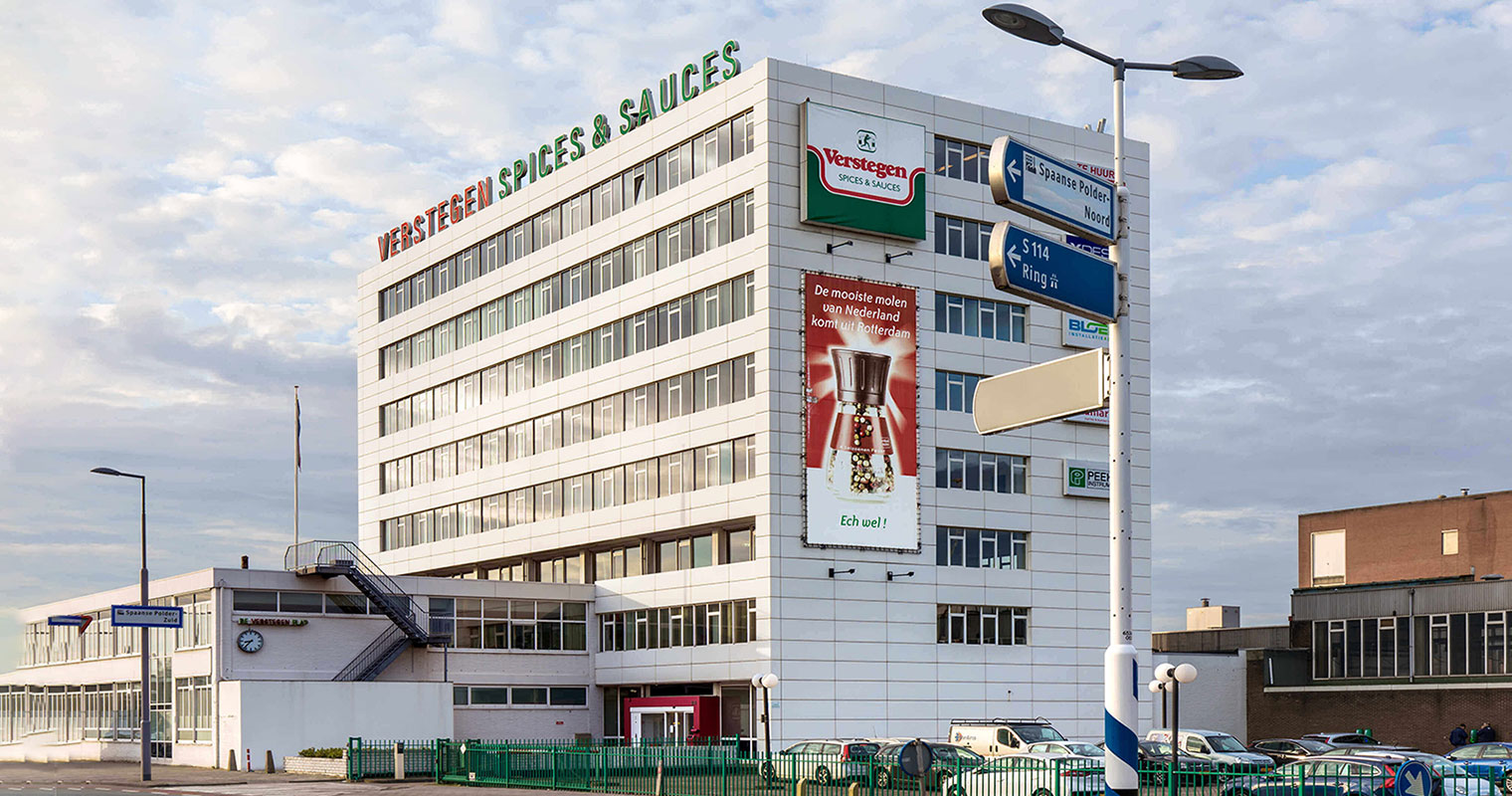
Verstegen Spices & Sauces has a long-standing presence in the spice industry, dating back to 1886. With a team of 600, the company has embarked on a significant transformation in the last five years. The aim is to move from a top-down organizational structure to one that encourages greater employee participation. A pivotal part of this change has been an employee survey, carried out in collaboration with Effectory. In an interview with Hilde Beckers, International HR Manager, and Fenna van Beurden, Strategic Impact Manager, we explore how Verstegen is navigating this organizational shift.
Verstegen Spices & Sauces, a company with a rich history spanning over a century, is in the midst of a transformative journey. The company is aiming for a more inclusive organizational structure. To make this shift successful, gathering feedback from employees at all levels is key. As Hilde Beckers puts it: “We wanted everyone’s voice to be heard.”
To move effectively towards this goal, Verstegen utilized an employee survey. This case study explores how the company is applying insights from the survey to create a more open work culture.
Setting the baseline
“We didn’t want to conduct an employee survey just for show, or because it’s popular, but to receive real feedback.“
Verstegen started this initiative with a baseline measurement. Valuing each survey response was crucial, as they used these insights as a starting point for change. As Beckers notes, “We didn’t want to conduct an employee survey just for show, or because it’s popular, but to receive real feedback.”
This initiative had an energizing effect on the company, marked by a high 80% participation rate among its diverse workforce, which includes digital natives, those with varying levels of literacy, and non-native Dutch speakers. To ensure inclusivity, the survey was available on both mobile and desktop platforms. This allowed for flexibility, even accommodating those coming off night shifts or those who needed additional assistance to complete the questionnaire during work hours.

The transition
Five years ago, Verstegen began implementing changes aimed at highlighting the unique skills and interests of their employees. A critical part of this change was using employee feedback in their strategic planning. The company set out with a key goal: achieving high employee satisfaction. To measure how well they were doing, they used employee surveys. Their aspirational target was for each department to achieve an average satisfaction score of 8 or higher.
To guide this change, Verstegen relies on a few key frameworks. One significant initiative is “Forward to Origin,” which speaks to the roots of their products, as well as to their Rotterdam identity. The production department is quite diverse, and there’s even a special department for people with a labor market disadvantage.
Whether you’re in the office, sales, or production, mutual respect is deemed crucial for effective collaboration. Verstegen aims to establish sustainable relationships with both their employees and their products. At the heart of this is their “TaPas” model, focusing on Talent and Passion. The model serves to align employees not just with roles but also with opportunities that tap into their innate skills.
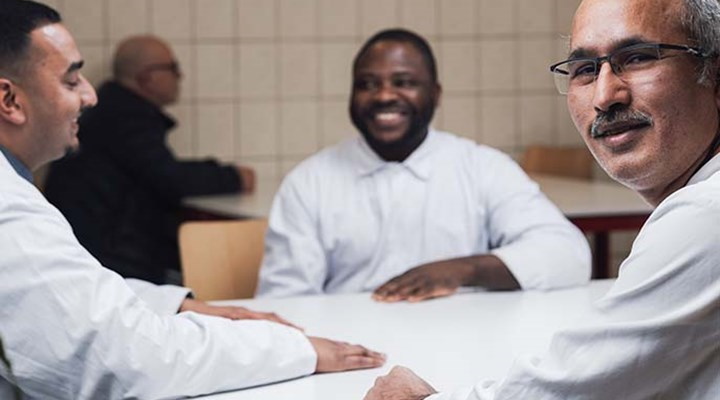
Employee well-being is also a top concern for Verstegen, particularly because their workforce is not confined to just an office setting but extends to production areas as well. The aim is to create a work environment that’s conducive to long-term health, ensuring that everyone can retire in good condition.
The Verstegen Academy
Building on an existing culture of learning, Verstegen now holds monthly webinars on topics such as food and sustainability. They’ve also introduced an e-learning platform where employees can share knowledge with one another. This space allows subject matter experts to gain insights into how their colleagues perceive their work. Moreover, the platform features a variety of courses and webinars, serving as a resource for ongoing professional development.

Connecting with employees
We have begun to increase the resilience of employees and teach them that they can hold managers accountable.
True to its Rotterdam roots, Verstegen has historically been more about action than meetings. But to better connect with its employees, some level of formal consultation was deemed necessary. This shift has led to the development of new skills among the workforce: “We have begun to increase the resilience of employees and teach them that they can hold managers accountable.” Now, the company is encouraging a greater level of self-management, giving employees the freedom to prioritize their tasks.
Additionally, leadership opened the floor for employees to express what’s most important to them in their jobs. This was a significant step, breaking away from traditional expectations and showing vulnerability on the part of the leadership. The level of open discussion that followed surpassed even their expectations. Beckers notes, ” By asking the questions with an open mind and out of curiosity, we were able to have very honest conversations.”
The results of the employee survey
The survey showed promising results, with no departments scoring below 6. To turn these results into action, Verstegen organized webinars and team meetings aimed at understanding the data and defining clear next steps. Since open conversations were a new practice at the company, it was essential to keep these discussions safe and anonymous. Hour-long webinars provided a welcoming environment where employees could voice their questions and opinions, making the whole topic less daunting.
Continuous monitoring and action-oriented conversations
After the first round of surveys and discussions, Verstegen continues to be dedicated to regular follow-ups through more surveys. The goal is to use the knowledge gained from these conversations to help guide the company’s direction. This ongoing effort has the entire organization intrigued about its potential impact on the workforce and the organization.
Verstegen is increasingly focusing on creating a culture based on commitment, and Beckers is hopeful that openness will soon be a standard part of the company culture. In her closing remarks, she stresses the importance of a fulfilled workforce for the success of any organization:
“Ultimately, companies are about the people who work there. If you harness people’s talents and passion and your energy system works, you can become very happy together. I hope that people find their own fulfillment and pride in their work and create the feeling that by working together we achieve our goal – both company goals and personal goals: ‘If Verstegen is good for me, then I am good for Verstegen.’“